How Antique Valuations connects your object with the right specialist buyer
A promising object does not need to be in New York to reach someone who understands it. The first task is recognizing what deserves a closer look—and where that expertise sits.
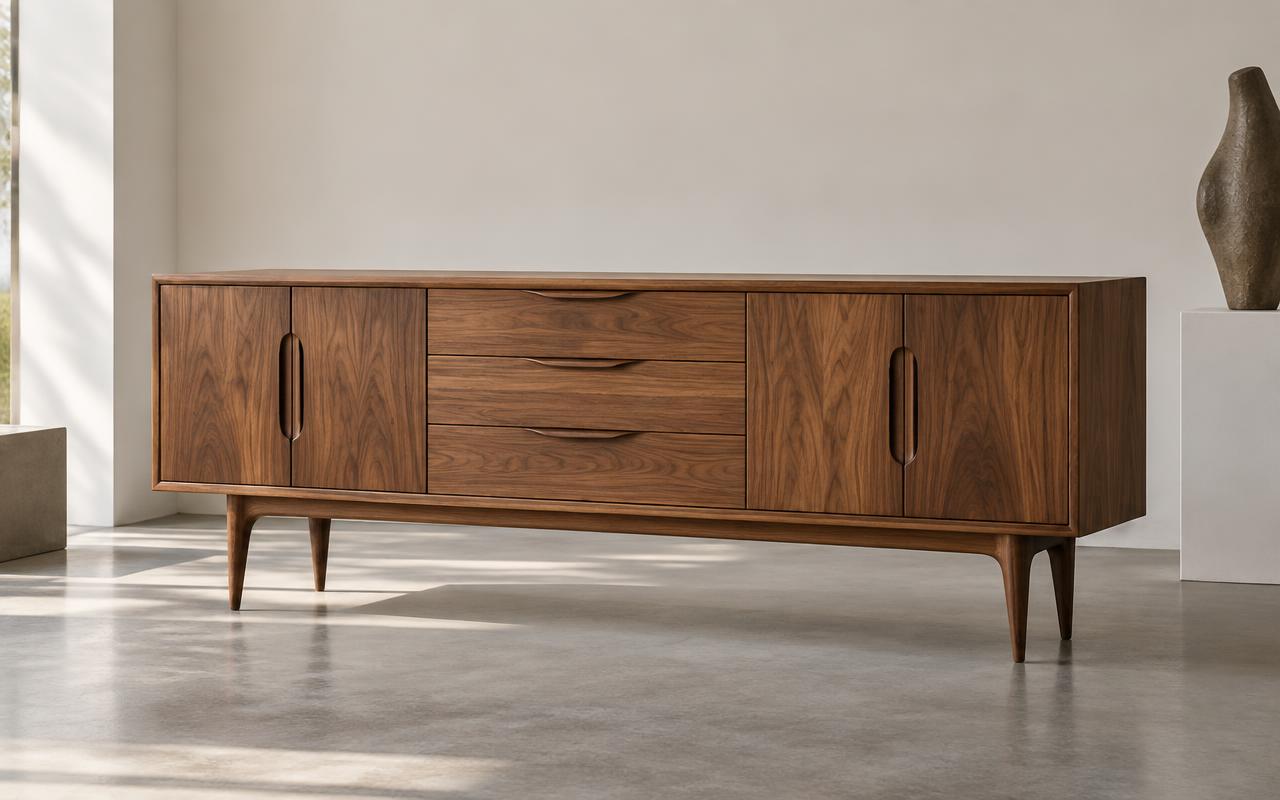
Antique valuations are often described as if every object follows the same path: identify it, attach a number, and decide whether to sell. In practice, categories differ enormously. The person who understands Chinese porcelain may not be the right person for a mid-century cabinet, an American painting, or a piece of German porcelain.
That is why Antique Valuations is developing around a network of specialist buyers, dealers, auctioneers, and galleries. Sean does not have to purchase every worthwhile object personally. He can review a submission, identify the most promising direction, and connect the owner with someone whose knowledge and market are better aligned with the piece.
A national opportunity, one object at a time
Antique Valuations is not limited to objects located in Manhattan. A useful submission might come from Maryland, California, Texas, or a small town far from a major auction center. Clear digital photographs allow an initial review to begin before anyone discusses travel, transport, or an in-person inspection.
This makes occasional, high-quality submissions especially important. The goal is not necessarily to attract the largest possible number of generic leads. One unusual Asian object, important painting, or exceptional decorative piece can justify a focused conversation with the right expert anywhere in the country.
How the referral process begins
- The owner sends photographs and context. Useful details include dimensions, visible marks, condition issues, where the object came from, and any documents or family history associated with it.
- Sean reviews the submission for promise. This is an initial screening, not a formal authentication. The aim is to understand what the object may be and whether deeper specialist attention makes sense.
- The category is considered. Materials, construction, decoration, age indicators, provenance, and likely market help determine what kind of specialist may be appropriate.
- A suitable connection may be made. When warranted, the owner can be introduced to a buyer, dealer, auctioneer, or gallery with relevant experience.
Why specialist matching matters
Expertise is specific. A general understanding of antiques can identify the questions to ask, but a specialist may recognize a workshop, maker, regional tradition, construction detail, or recent market development that changes the conversation.
The specialist also needs access to the right buyers. An object can be interesting yet poorly suited to a particular shop or auction. Matching the category and the market can help an owner avoid presenting a piece in the wrong setting.
What a referral does—and does not—mean
A referral is a sensible next step, not a guarantee of authenticity, value, or sale. Photographs can reveal a great deal, but they may not show restoration, replaced elements, surface treatments, weight, material, or construction details clearly enough for a final conclusion.
The specialist may request additional images, documents, a video call, or an in-person examination. If a transaction becomes possible, the owner should understand who is making the offer, what costs or commissions apply, how transport and insurance will work, and whether another selling route should be considered.
How to make your first submission useful
- Photograph the complete object from more than one angle.
- Include close views of signatures, labels, stamps, seals, and construction details.
- Show damage, repairs, wear, and missing elements honestly.
- Provide accurate height, width, depth, and weight where practical.
- Share what you know about ownership history without filling gaps with guesses.
A careful first submission helps Sean decide whether the object should move forward and which specialist is most likely to be useful. For owners outside New York, that can turn a distant question into a focused national connection.